
Introduction
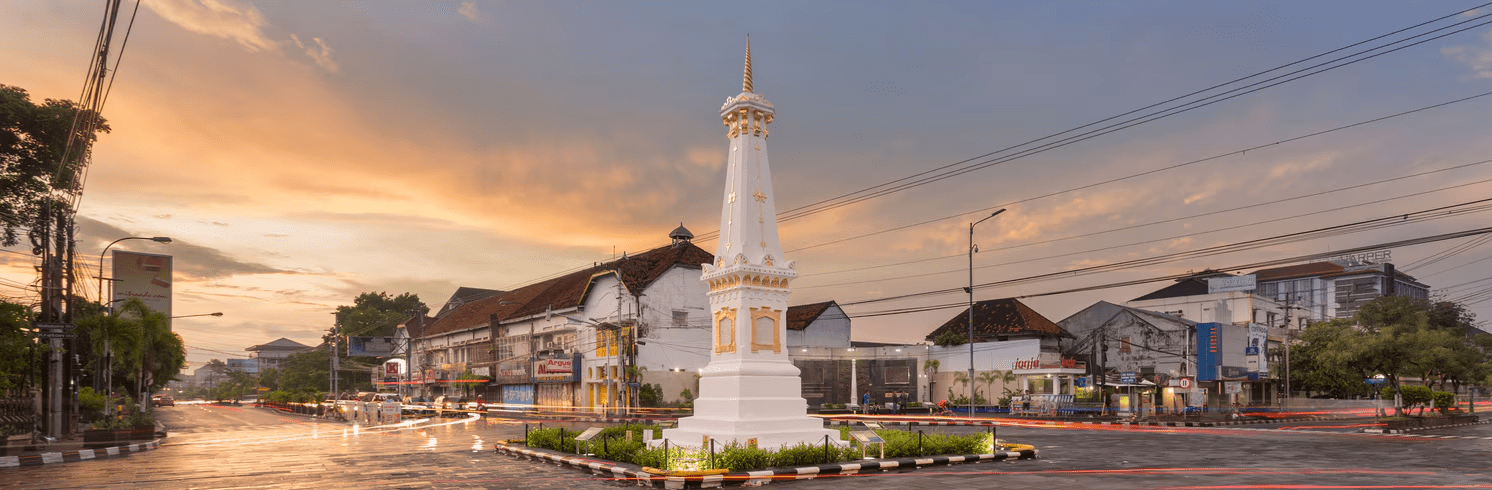
Yogyakarta, often simply called Jogja, is a vibrant city on the island of Java, Indonesia. Known for its rich cultural heritage, historical landmarks, and artistic spirit, Jogja offers a unique and immersive experience for travelers. Whether you're exploring ancient temples, savoring traditional cuisine, or diving into local arts, Jogja is a destination that beautifully blends tradition with modernity. Discover what makes Jogja a must-visit destination and why it should be on your travel itinerary.
Cultural and Historical Treasures
1. Ancient Temples
Jogja is home to some of Indonesia's most iconic and historically significant temples:
-
Borobudur Temple: A short drive from Jogja, Borobudur is the largest Buddhist temple in the world and a UNESCO World Heritage Site. This majestic monument, adorned with intricate carvings and towering stupas, offers a profound glimpse into ancient Buddhist art and architecture. Sunrise visits are particularly magical, with the temple bathed in the golden light of dawn.
-
Prambanan Temple: Another UNESCO World Heritage Site, Prambanan is a stunning Hindu temple complex renowned for its tall, intricately carved spires. Dedicated to the Trimurti, the three main Hindu deities, the temple's elaborate bas-reliefs and towering structures reflect the grandeur of ancient Javanese Hindu culture.
2. The Kraton Yogyakarta
The Kraton, or Yogyakarta Palace, is the heart of Jogja’s cultural and historical identity. This royal residence, still inhabited by the Sultan and his family, offers a fascinating insight into Javanese royal life. Wander through its courtyards and museums to explore traditional Javanese architecture, royal artifacts, and the vibrant history of the Sultanate.
3. Taman Sari Water Castle
Once a royal garden and bathing complex, Taman Sari Water Castle is a captivating blend of history and architecture. The castle’s ruins, with their intricate tunnels, pools, and pavilions, reflect the grandeur of the Sultan’s leisure pursuits. Explore the serene water gardens and enjoy the beautiful views from the elevated parts of the complex.
Artistic and Cultural Experiences
1. Batik and Traditional Arts
Jogja is renowned for its traditional arts, particularly Batik, an intricate textile art form. Visit local workshops and galleries to see artisans at work, creating beautifully patterned fabrics using wax-resist dyeing techniques. You can also explore the vibrant art scene at the Yogyakarta Art Institute, where exhibitions and performances showcase contemporary and traditional Javanese art.
2. Malioboro Street
A bustling hub of activity, Malioboro Street is the place to experience Jogja’s vibrant atmosphere. This lively street is lined with shops, street food vendors, and traditional markets. Browse for local crafts, souvenirs, and try iconic street foods like Gudeg (jackfruit stew) and Bakpia (sweet pastries).
3. Traditional Performances
Immerse yourself in Javanese culture by attending traditional performances such as the Wayang Kulit (shadow puppetry) and Gamelan music. These performances, often held in cultural centers or during local festivals, provide a mesmerizing glimpse into the island’s rich performing arts heritage.
Natural Wonders
1. Mount Merapi
For adventure seekers, Mount Merapi is a must-visit. This active volcano, one of Indonesia’s most active, offers thrilling trekking opportunities. Guided tours take you to the volcanic slopes and provide insights into the geological activity and local communities affected by eruptions. The panoramic views from the summit are a rewarding highlight.
2. Timang Beach
Located on the southern coast of Jogja, Timang Beach is a hidden gem known for its rugged beauty and dramatic cliffs. Take a thrilling ride across the ocean on a traditional timber gondola to reach a rocky outcrop, where you can enjoy stunning coastal views and the raw power of the sea.
3. Jomblang Cave
For a unique adventure, explore Jomblang Cave, famous for its dramatic vertical cave entrance and subterranean landscapes. Descend into the cave and marvel at the lush vegetation and light beams filtering through the cave’s mouth, creating a surreal and breathtaking environment.
Travel Tips
-
Getting Around: Jogja’s attractions are spread out, so consider renting a scooter or hiring a private driver for convenient travel. Public transportation options are available but may be less frequent.
-
Best Time to Visit: The dry season, from May to October, is the best time to visit Jogja for clear skies and pleasant temperatures. The rainy season, from November to April, brings lush landscapes but also more frequent showers.
-
Respect Local Customs: When visiting temples and cultural sites, dress modestly and follow local customs. It’s customary to remove your shoes before entering sacred areas.
Conclusion
Jogja, with its rich tapestry of cultural heritage, historical landmarks, and artistic vibrancy, offers a deeply immersive travel experience. From ancient temples and royal palaces to bustling markets and natural wonders, Jogja invites you to explore its many facets and connect with the heart of Javanese culture. Embrace the magic of Jogja and let its timeless beauty and warm hospitality create lasting memories.
mhdbgs
